
Furthermore, the in vitro studies have also demonstrated that H2O2-induced reactive oxygen species production is exacerbated upon chronic pretreatment with nicotine 21. The critical role of oxygen free radicals in mediating renal injury has been very well documented both in the preclinical as well as clinical studies. The possible source of nicotine-mediated ROS generation may be the NAPDPH oxidase system in cells 113. The Centers for Disease Control and Prevention (CDC) reports that what are the first signs of kidney damage from alcohol? nearly two-thirds of American adults drink alcohol.
Kidney Diseases and AUD: Lessons From Epidemiology
- You may be able to treat small kidney stones by increasing your water intake, taking medication, or using home remedies.
- Toledo-Rodriguez and co-workers demonstrated an increased expression of AT1b on the kidneys of offsprings of spontaneously hypertensive rats (SHR), exposed to nicotine during prenatal stage.
- Alcohol can worsen the side effects of chemotherapy and other cancer treatments, such as nausea, dehydration, diarrhea, and mouth sores.
- Light microscopy showed increased number of juxtaglomerular cells and extremely high intraglomerular congestion in morphine treated mice 60.
- Additionally, adopting a healthy lifestyle, including abstinence from alcohol, can significantly improve the chances of kidney recovery and overall well-being.
- According to a 2017 review, the question of whether alcohol consumption affects kidney function remains controversial.
Early interventions and lifestyle modifications can be highly effective Sober living house in preserving renal function and improving quality of life. Excess blood sugar can damage the delicate filtering system in the kidneys. People with diabetes are already more susceptible to kidney disease (diabetic nephropathy). Drinking alcohol can interfere with blood sugar control, making it harder to manage diabetes and further straining your kidneys.
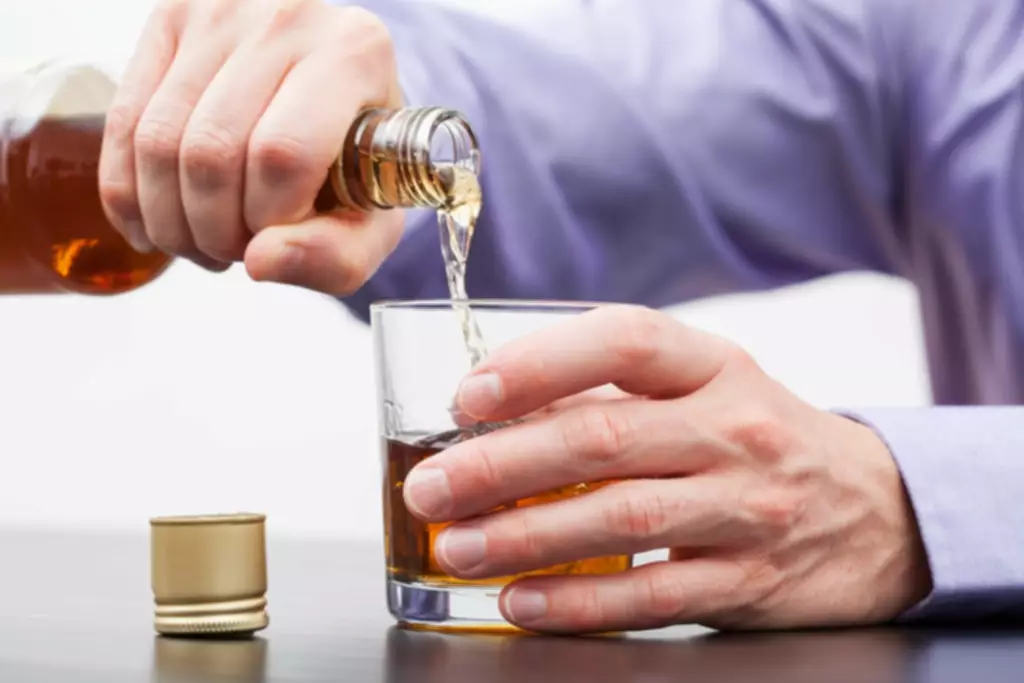
Alcohol and Kidneys: Effects, Risks & Treatment
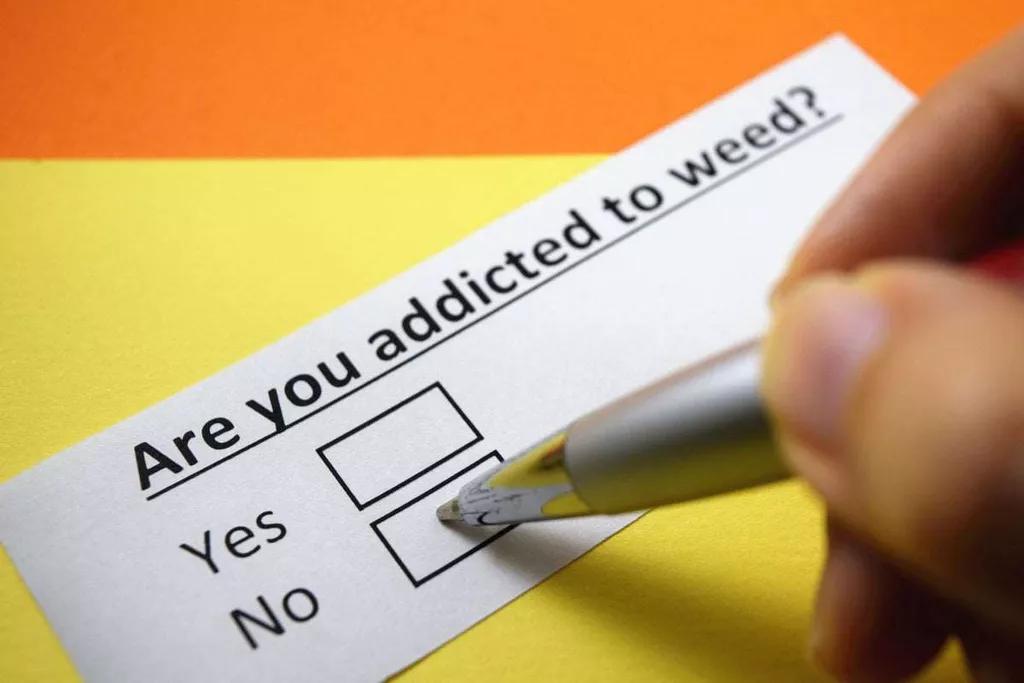
Is there an effective way to manage pain without relying on opioids? For years, opioids have been the go-to solution for pain management, particularly in cases of chronic pain or post-surgical recovery. Rehabilitation success rates can vary significantly based on numerous factors, including the type of treatment, individual circumstances, and the specific substance involved.
- If you are experiencing any of these symptoms, contact your doctor as soon as possible so they can help control the damage.
- Alcohol is a toxic substance that can cause dependence and other negative health effects.
- Here, we’ll share insights into some of the ways alcohol impacts the kidneys and how much alcohol is safe to drink.
Dendritic Cell Vaccines For Liver Diseases
- Alcoholic fatty liver disease will resolve if the person stops drinking.
- Sex, age, primary diseases, initial GFR, individual differences, and dietary structure can all influence the results of a study.
High urine output (called diuresis) occurs, increasing strain on the kidneys by forcing them to alter their normal levels of https://ecosoberhouse.com/ function. While many body parts are affected by dehydration, the kidneys are particularly sensitive to it. The kidneys are designed to retain water when dehydration occurs, but they cannot fully compensate when alcohol is still being used. However, we should be aware that alcohol also can contain harmful substances. Ask your healthcare provider if it is safe for you to drink, especially if you have a medical condition or take medicines that might be affected by using alcohol. Women, older people, and those with smaller bodies should be especially careful.
Myth: You should avoid consuming more fluids after drinking alcohol

They remove all sorts of toxins and waste, including drugs from blood vessels and then send the waste off to be concentrated into urine. They also function to balance the body’s fluids, produce Vitamin D, and use hormones to maintain your blood pressure. The kidney tubules play an important role in keeping the body’s water and electrolyte levels in equilibrium. In many cases, control mechanisms govern the rate of reabsorption or secretion in response to the body’s fluctuating needs (see table for a summary of the body processes influenced by key electrolytes).

Alcohol can worsen the side effects of chemotherapy and other cancer treatments, such as nausea, dehydration, diarrhea, and mouth sores. According to the National Cancer Institute (NCI), there is a widesperad agreement among scientists that alcohol can cause several types of cancer, like head and neck cancer, liver cancer, colon cancer, and breast cancer. OxyContin and oxycodone are both opioid pain medications but differ in formulations and usage. OxyContin is an extended-release version for chronic pain, while oxycodone includes both immediate and extended-release options for various pain levels. For example, a person with a UTI that spreads to the kidneys can develop sepsis, a dangerous infection of the blood. The timing of the pain could be a coincidence, or the alcohol could have intensified an existing problem.